
Machine overview
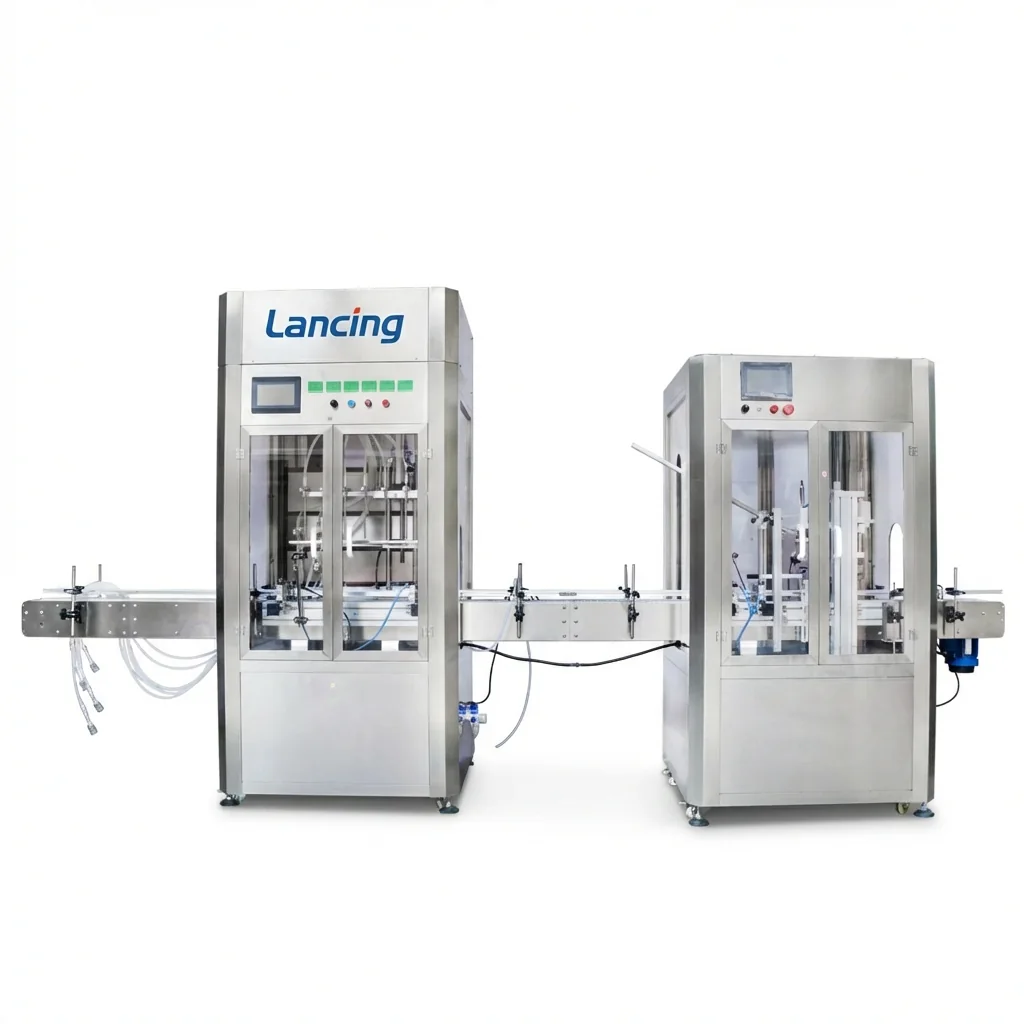
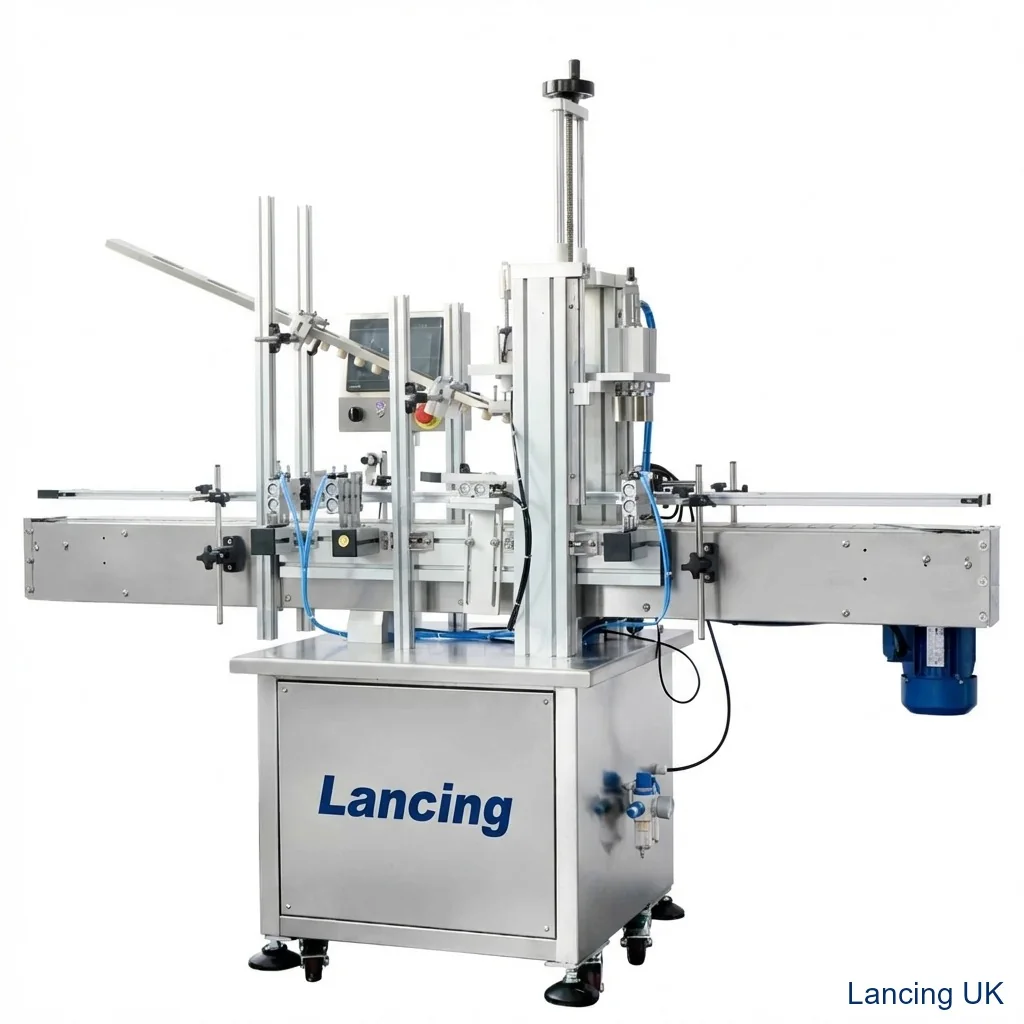
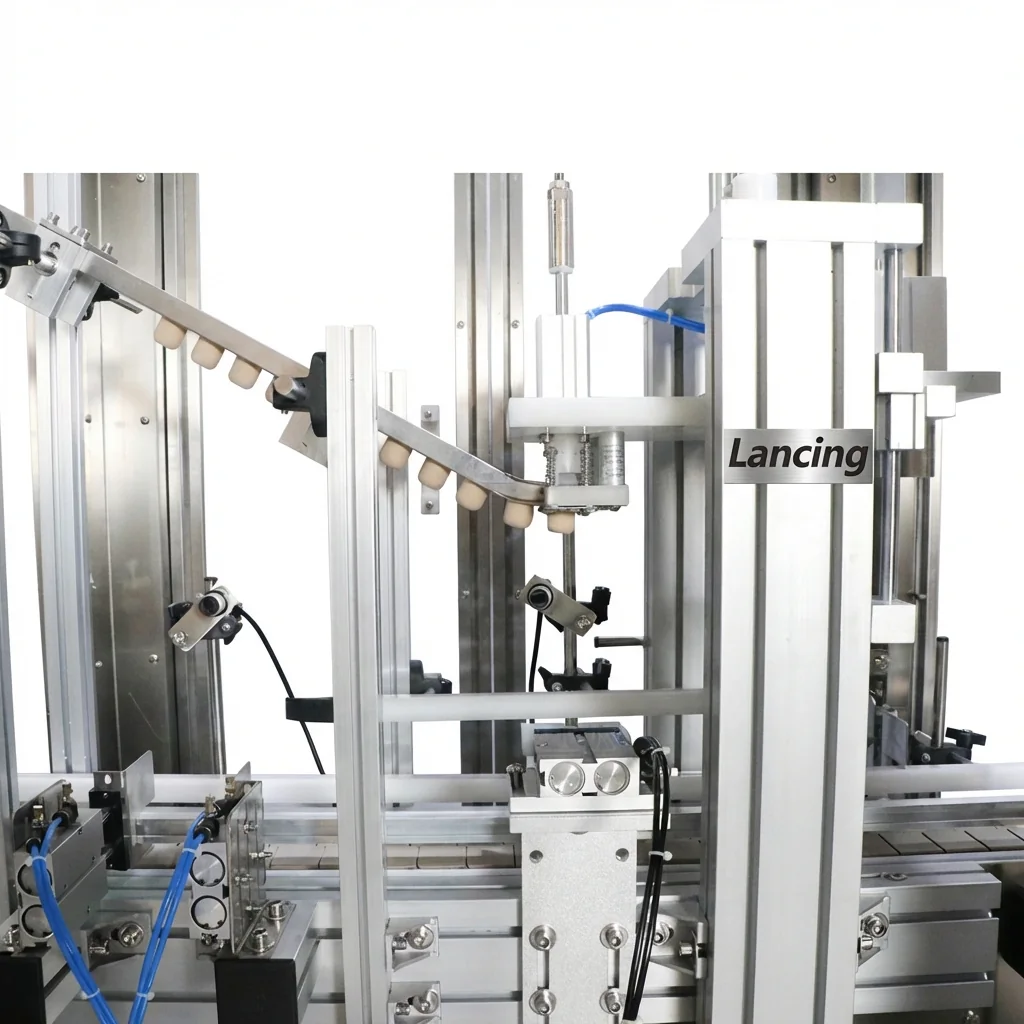
A fully automatic cork feeding and pressing machine with a protective dust cover. It is designed to maintain clean, repeatable operation while pressing corks into bottles at production speed, and can be integrated with filling and labelling machines.
Best suited to
- Higher hygiene requirements
- Beverage, pharmaceutical and cosmetic packaging lines
- Plants seeking lower manual labour and repeatable insertion depth
Key specification
| Machine model | LU‑XG16D |
|---|---|
| Bottle height | 30–300 mm |
| Cap diameter | 18–70 mm |
| Bottle diameter | 20–160 mm |
| Working voltage | AC 220 V / 110 V, 50–60 Hz |
| Working pressure | 0.4–0.6 MPa |
| Working speed | 20–60 bottles/minute |
| Machine dimensions | Approx. 1000 × 900 × 1860 mm |
How this machine fits into a T‑cork line
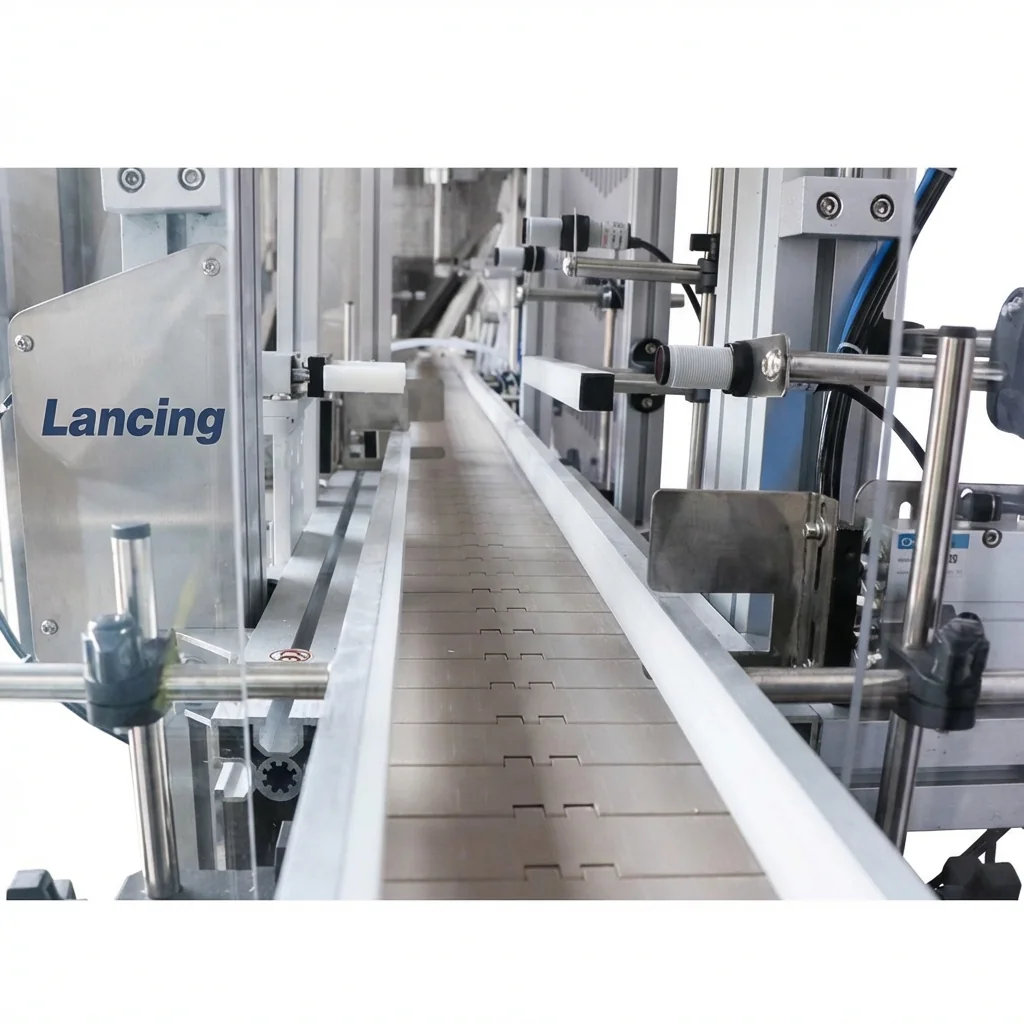
The machine can be specified as a stand-alone capping cell or as part of a broader bottling line. Typical line data includes bottle feed direction, available footprint, conveyor height, bottle accumulation, cork feed position, guarding requirement and whether the capper must synchronise with filling, labelling or packing equipment.
Machine gallery
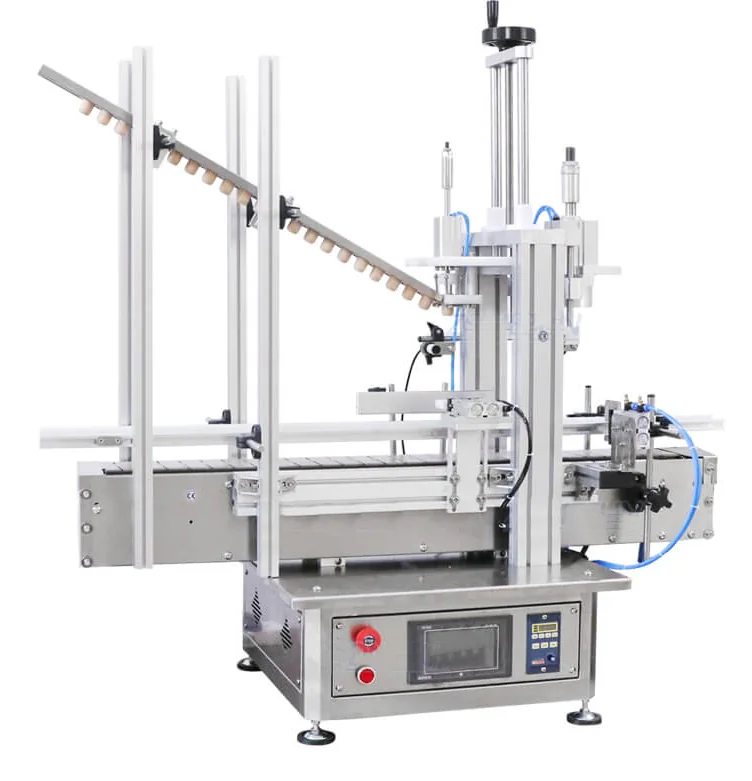
Specification checklist
- Confirm bottle height, bottle diameter and neck finish.
- Confirm T‑cork top diameter, shank diameter, shank height and desired insertion depth.
- Confirm target output and acceptable changeover time.
- Confirm power, compressed air and available floor space.
- Confirm whether you require automatic cork sorting, dust cover, guarding, reject handling or commissioning.
Quick answers
What is LU‑XG16D Automatic Cork Pressing Capping Machine used for?
A fully automatic cork feeding and pressing machine with a protective dust cover. It is designed to maintain clean, repeatable operation while pressing corks into bottles at production speed, and can be integrated with filling and labelling machines.
What output can LU‑XG16D Automatic Cork Pressing Capping Machine achieve?
The expected output is 20–60 bottles/minute. Final throughput depends on bottle stability, cork dimensions, fill/product behaviour, operator workflow and the exact machine configuration.
What samples should I send before ordering?
Send the filled or empty bottle, the T-cork or closure, any available bottle and closure drawings, required insertion depth and the target output. Samples allow the guide rail, chuck and press settings to be specified correctly.
Can this machine be integrated into a filling line?
Yes, where the selected configuration and line layout allow it. Lancing UK can advise on conveyors, sensors, bowl feeding, discharge, filling and labelling integration.
Are final specifications fixed?
Published specifications are guide values. Final configuration, tooling and utilities should be confirmed during quotation against your bottle, closure and production line.