What is the difference between press cycles and accepted bottle output?
Press cycles count the motion of the insertion mechanism; accepted bottle output counts bottles that meet the agreed finished-height, appearance and integrity criteria. A machine may cycle quickly while feeder gaps, bottle spacing, stoppages or rejects reduce useful output. Comparisons should therefore state the samples, line conditions, running period and reject rules used to calculate the accepted result.
Which part of a T‑corking line usually limits practical output?
The limiting part can be the closure feeder, bottle infeed, centring and support, press cycle, discharge spacing or downstream accumulation. The constraint can also change during low feeder level, format change or restart. A useful line study measures the complete sequence with representative closures and bottles rather than assuming that the nominal press rate controls the whole system.
When does a linear automatic T‑corker suit a project better than a rotary machine?
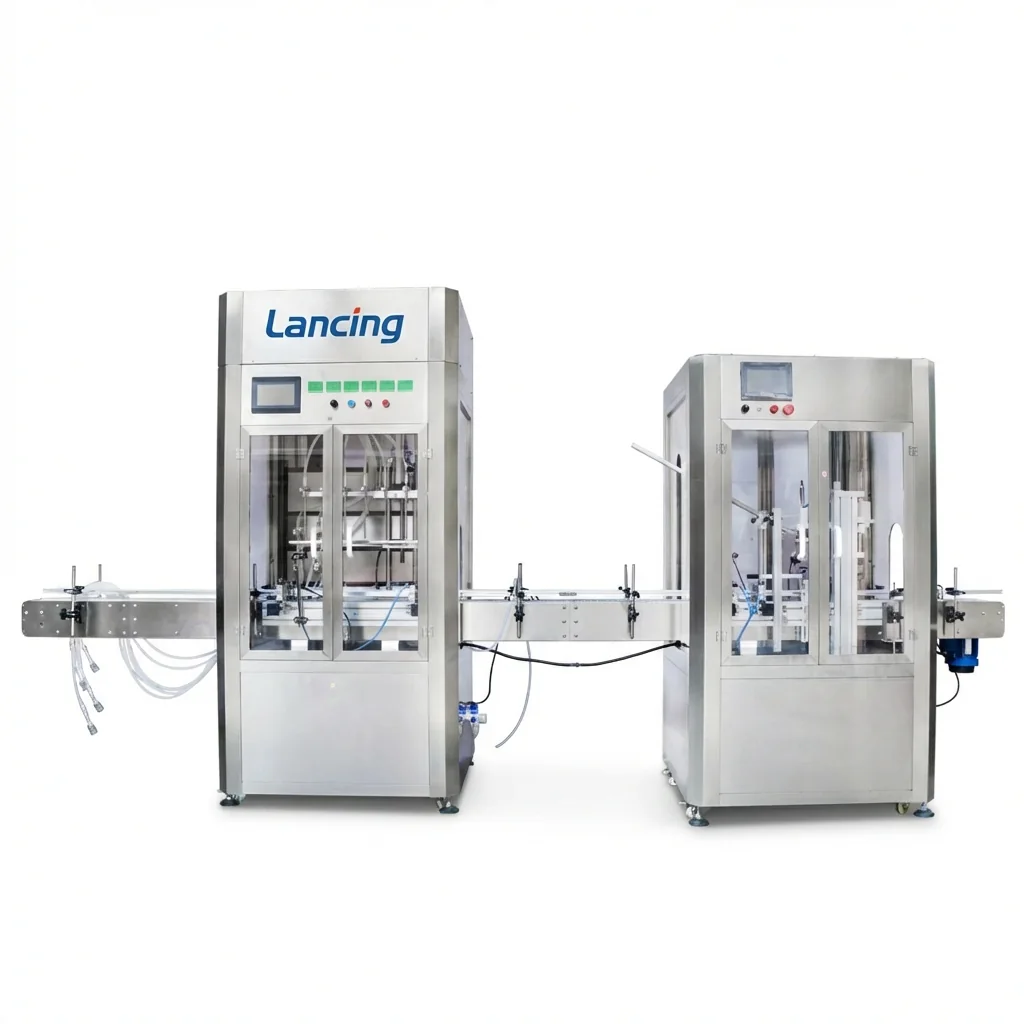
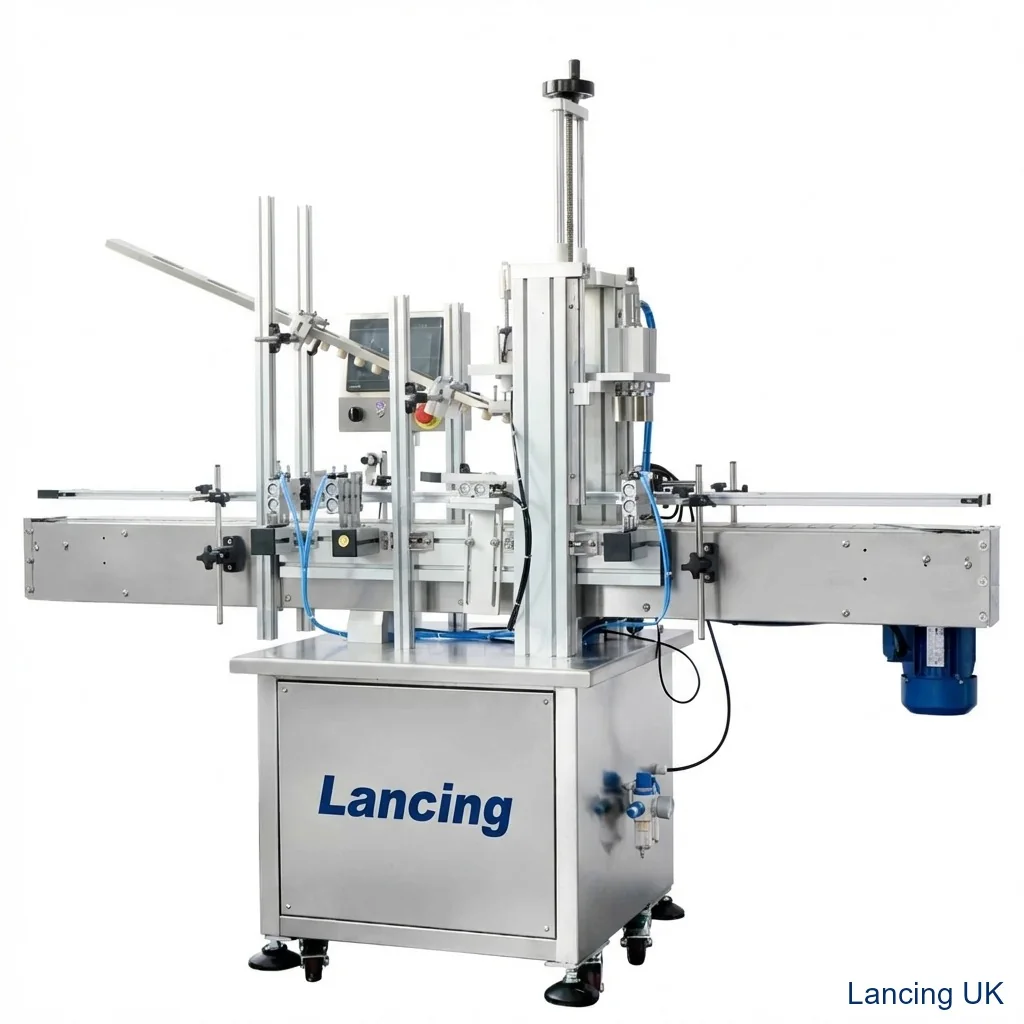
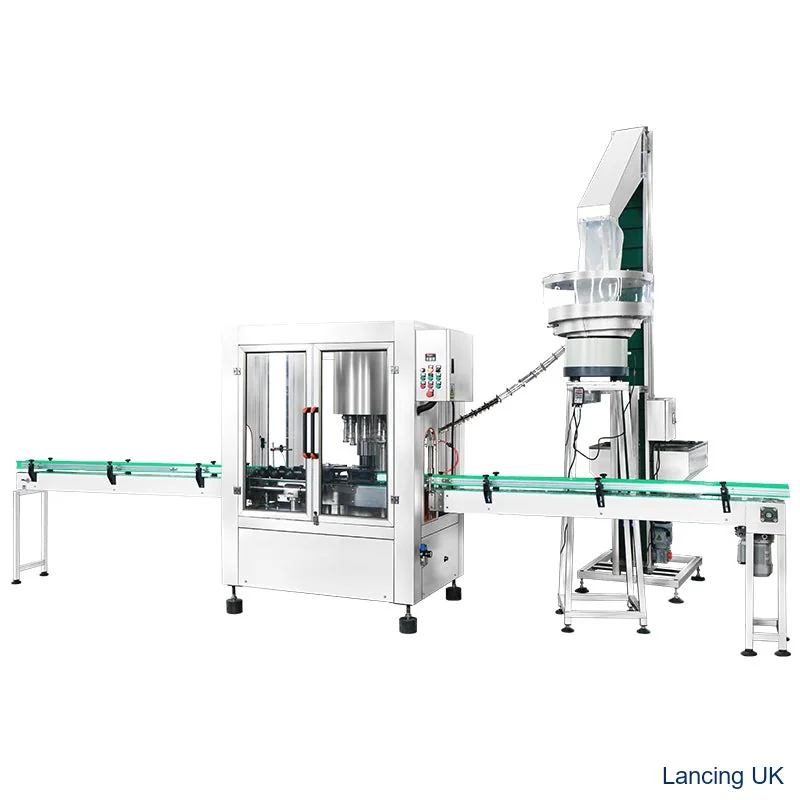
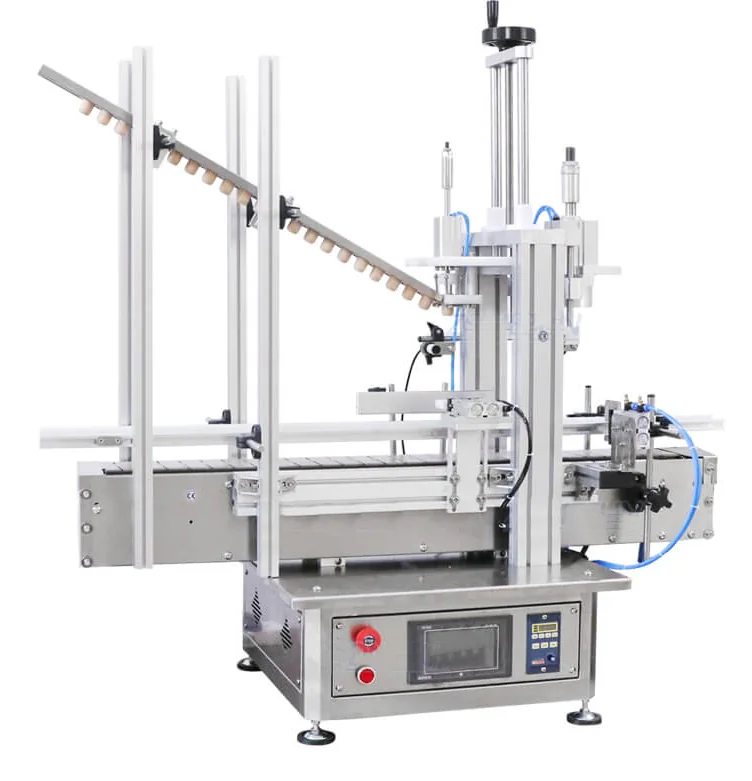
A linear automatic T‑corker may suit a project where integration flexibility, moderate output, accessible change parts or a simpler conveyor route are more important than continuous high-volume operation. A rotary route may suit a stable, higher-output format family. The decision should use the real format matrix, changeover frequency, footprint, buffer strategy and acceptance method rather than machine type alone.
How should changeover time be compared between T‑cork machines?
Changeover time should include safe stop, isolation where required, removal and refitting of change parts, adjustment, first-off inspection and release of an accepted bottle. A quoted adjustment time without verification can be misleading. Compare the number of tools, labelled settings, retained recipes, access to guides and feeder parts, and the evidence needed before production can restart.
What should be included when comparing automatic feeder options?
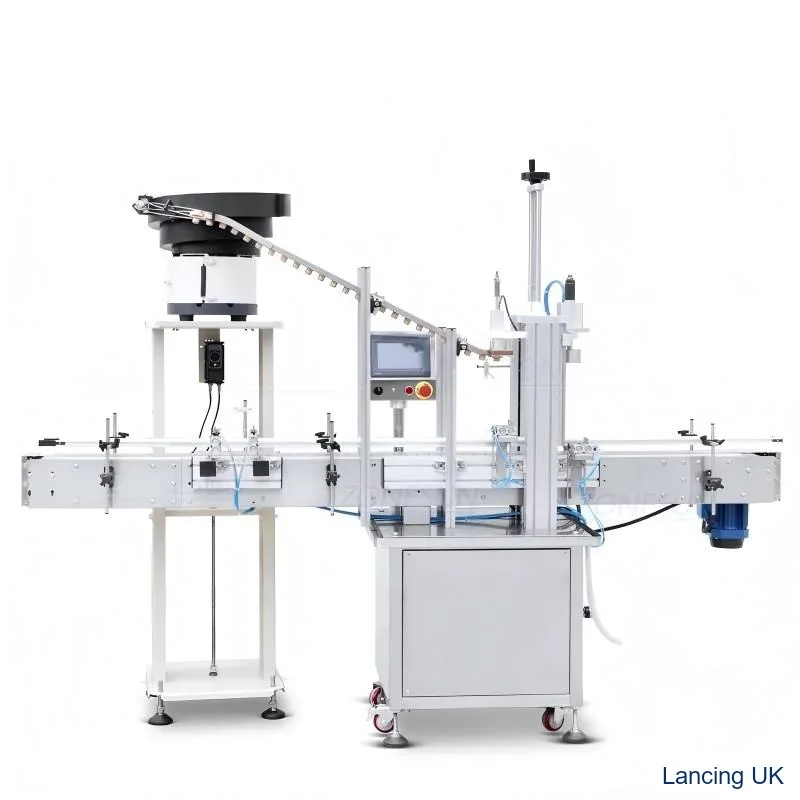
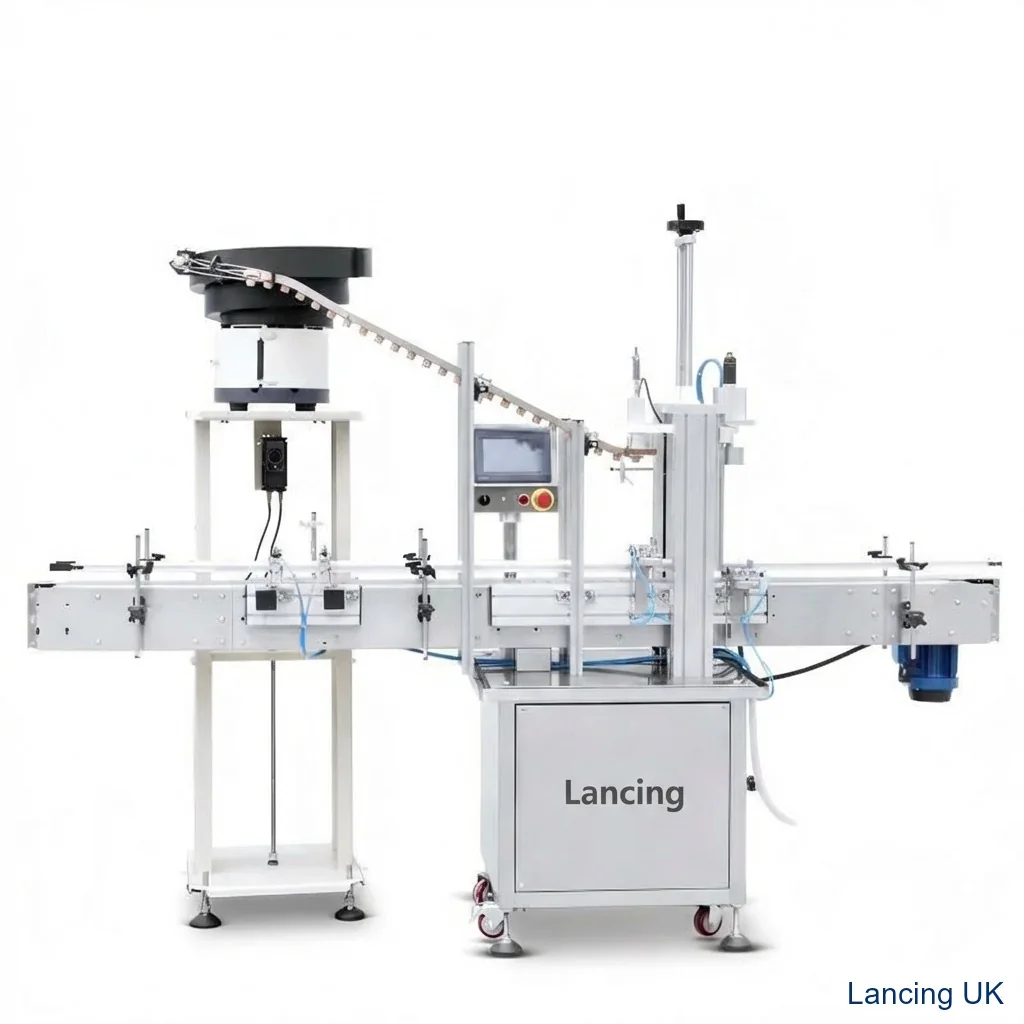
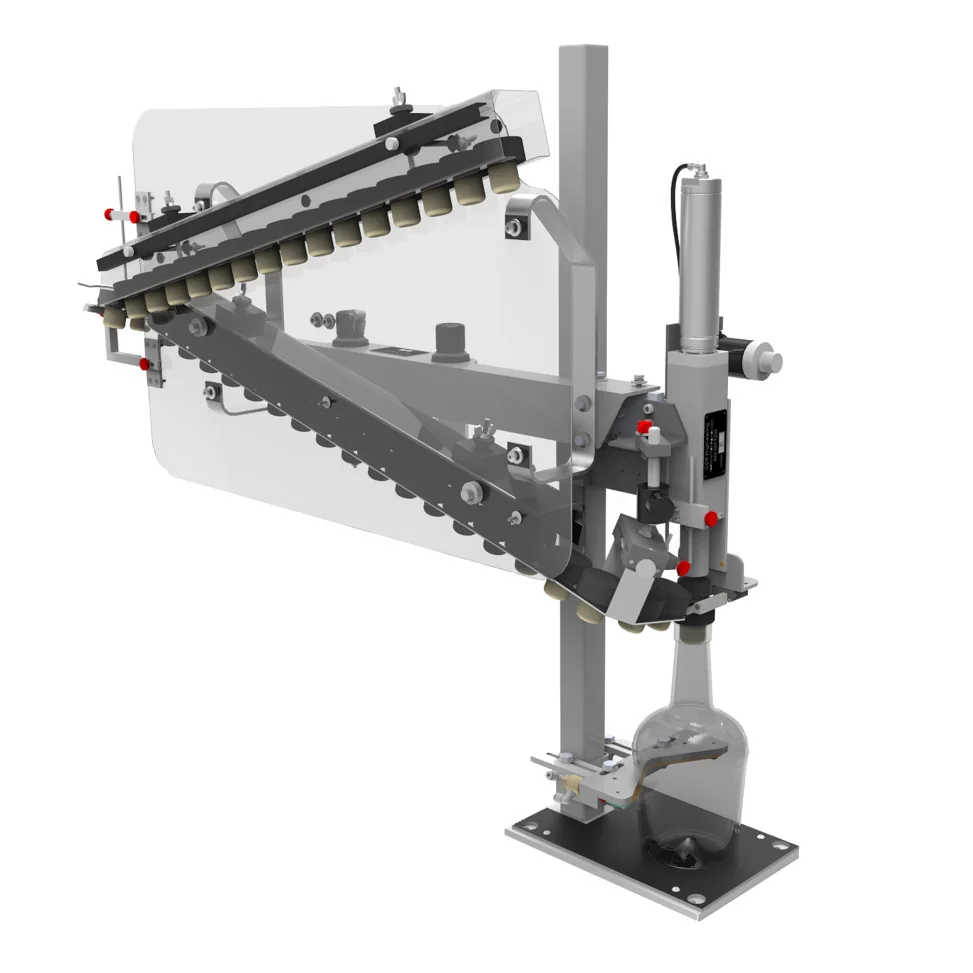
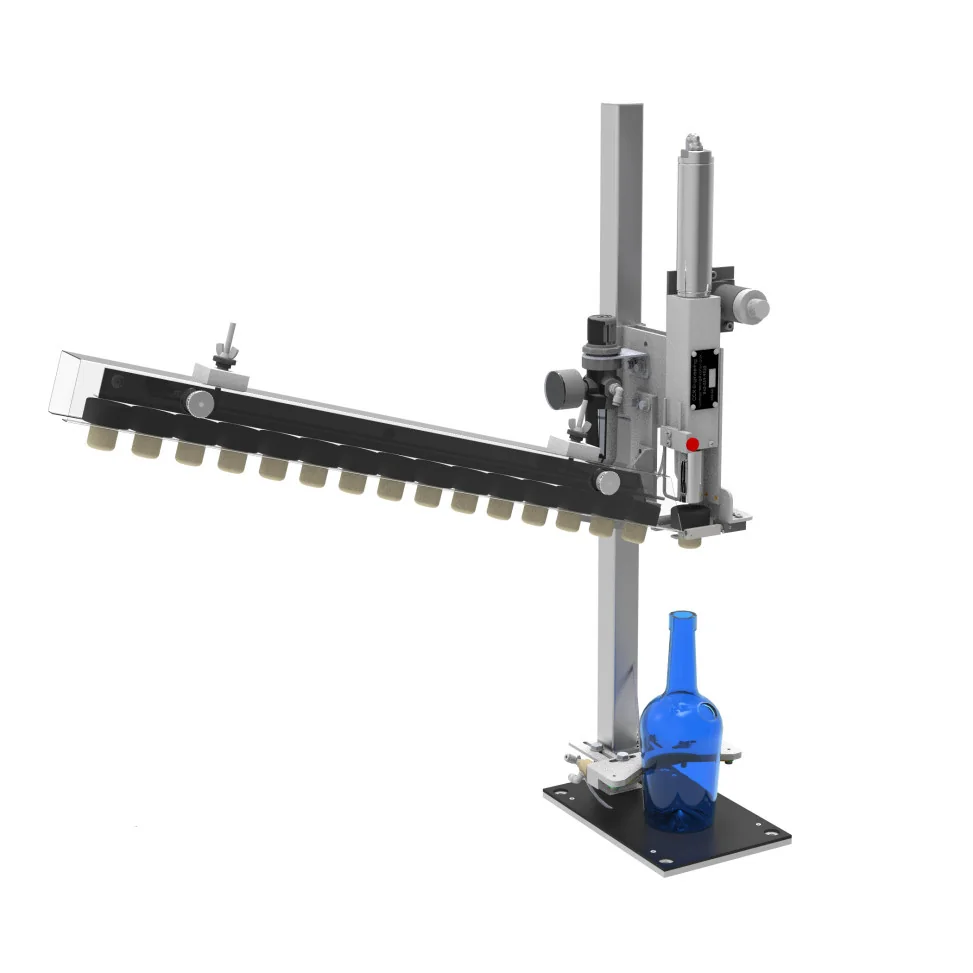
Compare the closure range, orientation principle, usable buffer, refill method, rail and escapement design, low-level response, clean-down access, change parts and recovery after a jam or empty track. The feeder should be proven with representative closure batches, including cosmetic variation, because a feeder that handles one ideal sample may not handle production variation consistently.